Buying a Home in Asheville This Fall? Albus Sniffs Out the Big Stuff
Trees, sewer lines, home inspections, and the fine art of keeping your cool.
October in Asheville is glorious. The leaves are showing off, the air smells like adventure, and every house with a front porch suddenly looks like the one.
I get it. I fall in love with a good porch at least twice a week.
But if you’re buying a home in Asheville or Western North Carolina, take a moment between admiring the mountain views and imagining where my bed would go. Fall is a wonderful time to house hunt. It’s also a good time to look carefully at the home, the yard, and anything an inspection brings to light.
The Asheville homebuyer checklist: what’s worth a closer look?
Since Helene, my human agents have seen more buyers ask about trees and sewer lines. That makes sense. A storm can change a landscape, and a buyer deserves to understand what they’re taking on.
Take a look at the trees. I’m personally in favor of keeping as many as possible. They provide shade, scenery, and an excellent selection of smells. But if a tree appears damaged or too close for comfort, ask a qualified arborist to assess it. A professional opinion is far more useful than everyone standing in the yard tilting their heads and saying, “Hmm.”
Consider a sewer scope. It’s a way to see whether there’s an actual issue in the sewer line. If the scope finds damage or a blockage, ask where it is, what needs to happen next, and what that may cost. If the line looks good, celebrate the good news. Quietly, perhaps. Sewer-themed parties are hard to pull off.
Watch where the water goes. Look at the slope of the yard, drainage around the home, and any signs of moisture inside. That charming creek belongs in its creek bed, not in the basement.
Understand the roof and major systems. Find out what needs attention now, what you should budget for later, and what’s simply part of owning a home. Houses require maintenance. I, for instance, require regular grooming. Neither fact should come as a shock after closing.
An inspection report is not a menu
Here’s where I may get a little direct, friends.
A home inspection can be long. Inspectors are supposed to point things out, and buyers are supposed to ask questions. But every item on the report is not automatically a reason to ask the seller for money.
A tree that an arborist says poses a real risk? Let’s talk. A sewer line with documented damage? Absolutely worth discussing. A tree that you’d rather not have because it drops leaves in October? My friend, that is what trees do.
The same goes for repairs. There’s a difference between a defect that needs attention and a project you’d like completed before moving in. Knowing the difference makes for a better decision—and a much better conversation.
Before you send a repair request, stop and sniff
One of my human agents’ favorite sayings is: “The problem isn’t the problem. The problem is your response to the problem.”
I don’t have a favorite saying. I have a favorite treat drawer. But I do think the humans are onto something.
Inspection findings can make buyers anxious. Repair requests can make sellers defensive. Then everyone’s agent gets a phone call, and before you know it, six adults are arguing about a branch.
Before you respond, ask yourself:
- What did we actually find? A confirmed problem, a question for a specialist, or something you simply don’t love?
- How serious is it? Does it need prompt attention, or does it belong on a future maintenance list?
- What would it cost to address? Get a useful estimate when the answer matters to your decision.
- What’s the big picture? Consider the home’s price, age, condition, and everything that made you want it in the first place.
Buyers can ask for repairs or a credit during North Carolina’s due diligence process. Sellers can consider what they’re willing to do. The best requests are grounded in the facts, and the best responses leave room for a sensible solution.
Buy the home with your eyes open and your paws on the ground
Due diligence is your chance to learn about the home. Maybe you discover something that calls for a repair, a credit, or a change of plans. Maybe you discover that the house needs the ordinary care every house needs—and you still can’t wait to call it yours.
Either way, ask the questions. Bring in the right professionals. Speak up about the things that matter. Then take a breath before a minor finding becomes the main character of your entire home search.
If you’re buying or selling in Asheville or Western North Carolina, my human agents at Asheville Realty Group can help you sort out the facts, see the big picture, and keep the conversation moving.
Be Moved. And please don’t sweat the small stuff, my friends!
—Albus


3011 SQFT 269 ACRES

8357 SQFT 0.73 ACRES

3059 SQFT 0.34 ACRES

4013 SQFT 3 ACRES
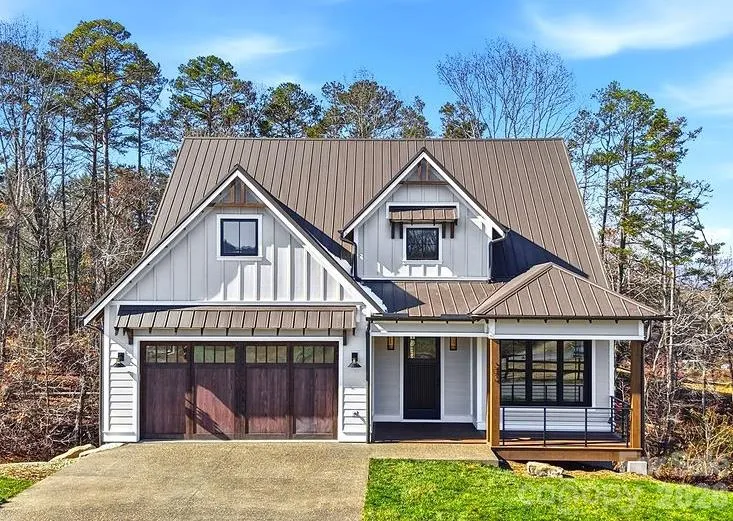
2640 SQFT 0.198 ACRES